

From Seed to Stitch: The Organic Cotton Journey
Discover the meticulous process behind our premium organic cotton, from certified farms in Turkey to the finished garments in your wardrobe.

NOWIHT Editorial
Editorial Team
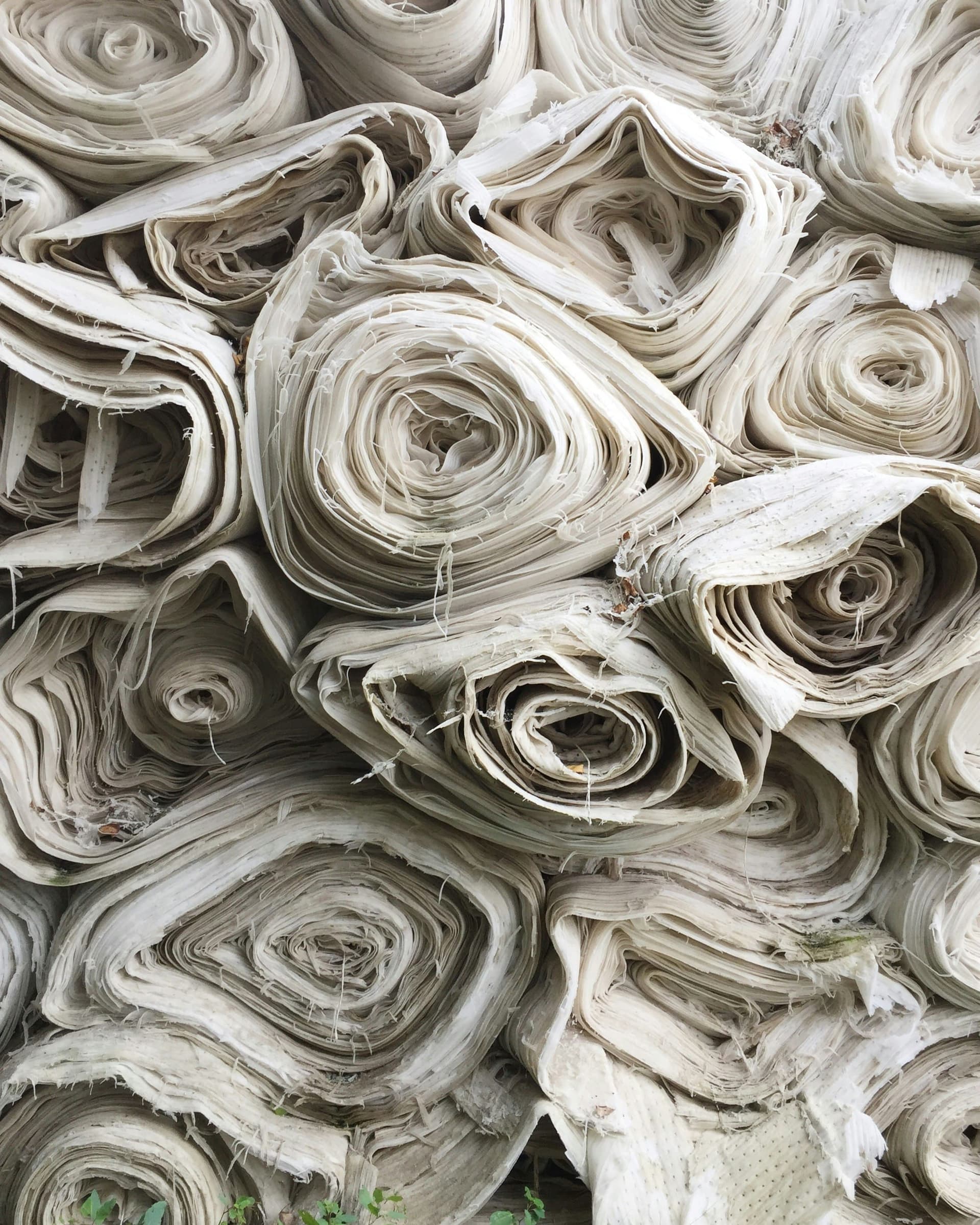
Every NOWIHT garment begins long before it reaches our design studio. It starts in the soil, under careful hands, with seeds that carry the promise of something better. Understanding this journey helps appreciate why organic cotton matters and why we have built our entire brand around this remarkable fiber.
Why Organic Cotton Matters
Conventional cotton is one of the most pesticide-intensive crops in the world. It accounts for approximately 16% of global insecticide use despite covering only 2.4% of cultivated land. The environmental and human health consequences are profound. Soil degradation, water contamination, and health issues among farming communities have been documented extensively.
Organic cotton changes this equation entirely. Grown without synthetic pesticides or fertilizers, organic cotton farming relies on natural processes to maintain soil health and control pests. The result is a fiber that is gentler on the planet and safer for everyone involved in its production.
Our Farm Partners in Turkey
We work exclusively with GOTS-certified farms in the Aegean region of Turkey, where cotton cultivation has been refined over centuries. These partnerships are not simply business transactions. They are long-term relationships built on shared values and mutual respect.
Our partner farms employ traditional rotation methods, alternating cotton with legumes and grains to naturally replenish soil nutrients. Cover crops prevent erosion during off-seasons. Beneficial insects are encouraged to control pests naturally. The result is healthier soil, cleaner water, and thriving ecosystems.
Fair wages, safe working conditions, and community investment are non-negotiable requirements for every farm we partner with. Learn more about our standards on the ethical manufacturing page.
The Harvesting Process
Unlike conventional cotton, which is often harvested using chemical defoliants to force leaves to drop, our organic cotton is harvested at natural maturity. This patience results in longer, stronger fibers that produce superior fabric.
Hand-picking remains common among our partner farms for premium grades. While more labor-intensive, this method ensures only fully mature bolls are collected, resulting in more consistent fiber quality.
From Fiber to Fabric
Once harvested, the cotton travels to certified organic spinning facilities where it is cleaned, carded, and spun into yarn. Every step is documented and verified to maintain organic integrity. No chemical treatments, no synthetic additions, just pure cotton fiber transformed through mechanical processes.
The yarn then moves to our knitting and weaving partners, where it becomes the fabrics that define our collections. Our signature fleece, used in our hoodie collection, undergoes a specialized brushing process that creates exceptional softness without compromising durability.
Quality That You Can Feel
The difference in organic cotton is not just ethical. It is tangible. The longer fibers create smoother, more lustrous fabric. The absence of chemical residues means the cotton breathes better against your skin. Many customers report that our organic cotton garments feel softer with each wash, unlike conventional cotton that often becomes harsh over time.
Experience this difference yourself with our organic cotton t-shirts or our luxurious pajama sets.
The Complete Picture
From farm to fabric, every step is documented and verified. This traceability allows us to stand behind every piece we create with complete confidence in its origins. When you wear NOWIHT, you wear the culmination of centuries of agricultural wisdom combined with modern ethical standards.
Explore our eco-friendly materials guide to learn more about the fibers we use and why they matter.

NOWIHT Editorial
Editorial Team
NOWIHT's editorial team brings together voices from across our organization—designers, sustainability experts, and material innovators.